Research

Four questions guide the bench.

Each strand shares a method: trace what a toxicant, a nutrient, or development itself does to nervous tissue, then test whether the damage can be stopped or reversed.

Focus Areas

What we study, and why.

01

Environmental Neurotoxicology

Chronic exposure to vanadium and heavy metals — brain metal distribution, demyelination, and neuroinflammation across generations. This work asks how much of a given exposure the brain accumulates, where it lodges, and what it costs the animal behaviourally.
02

Neuroprotection & Phytotherapy

Plant-derived and synthetic compounds tested against oxidative and toxicant-induced injury via Nrf2/HO-1, NF-κB and Bax/Bcl-2/Caspase-3 pathways. The lab has also tested ZA-II-05, a novel NMDA-receptor antagonist, against vanadium neurotoxicity in hippocampal slices and mice.

03

Comparative & Developmental Neuroanatomy

Histology and immunohistochemistry of the visual, olfactory and limbic systems in squirrels, bats, owls and African giant rats — species chosen because their sensory adaptations expose principles a single lab model cannot.

04

Neuroendocrine & Reproductive Toxicology

Hormonal and testicular consequences of toxicant exposure, bridging neuroscience with theriogenology through work on the hypothalamic-pituitary-gonadal axis.

How We Work

Methods that recur across the four focus areas.

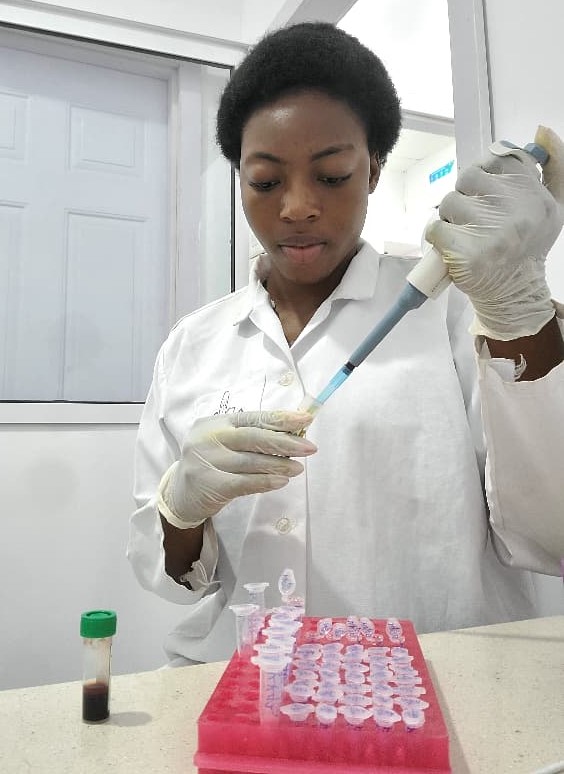
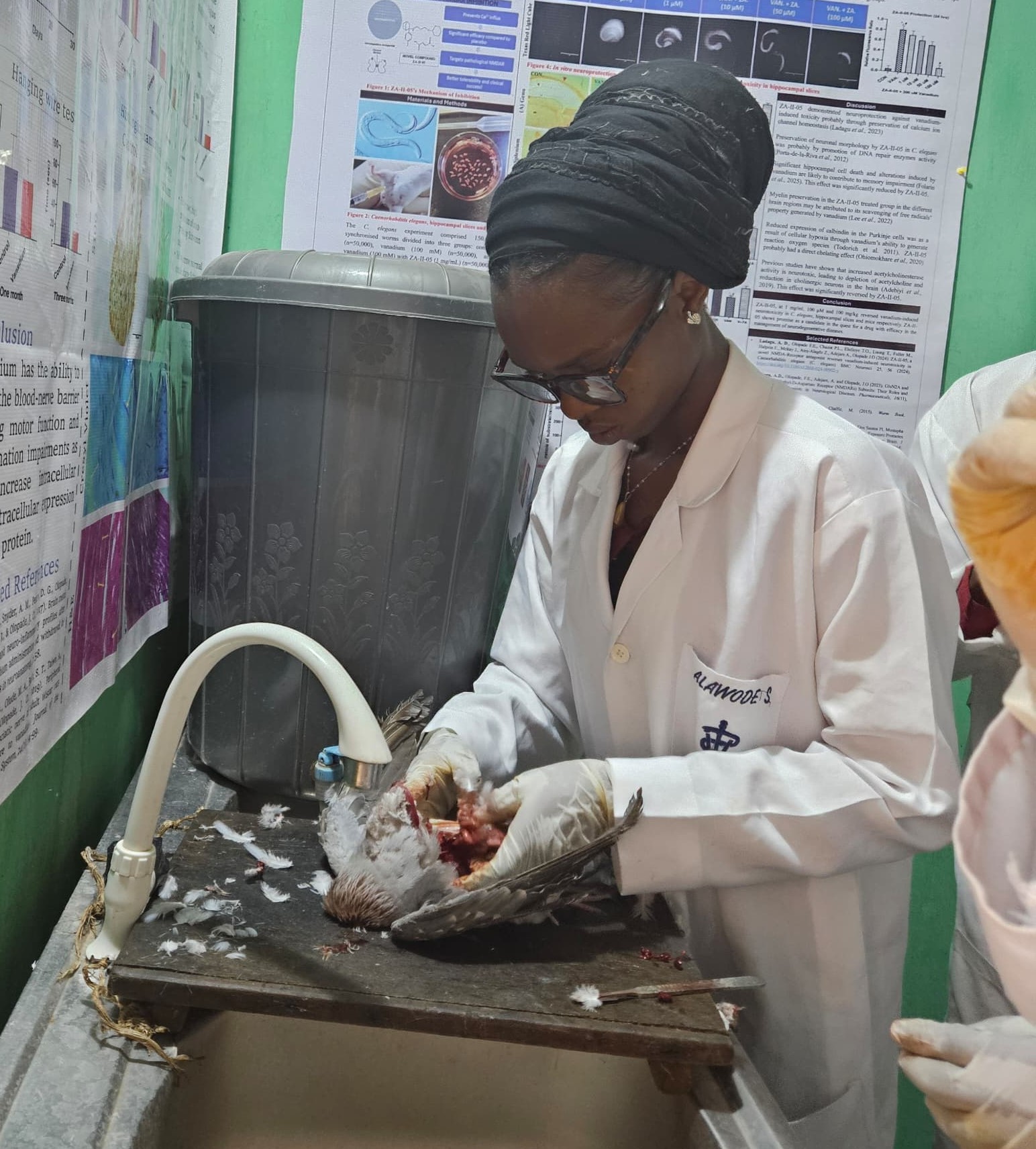
Histology & Immunohistochemistry

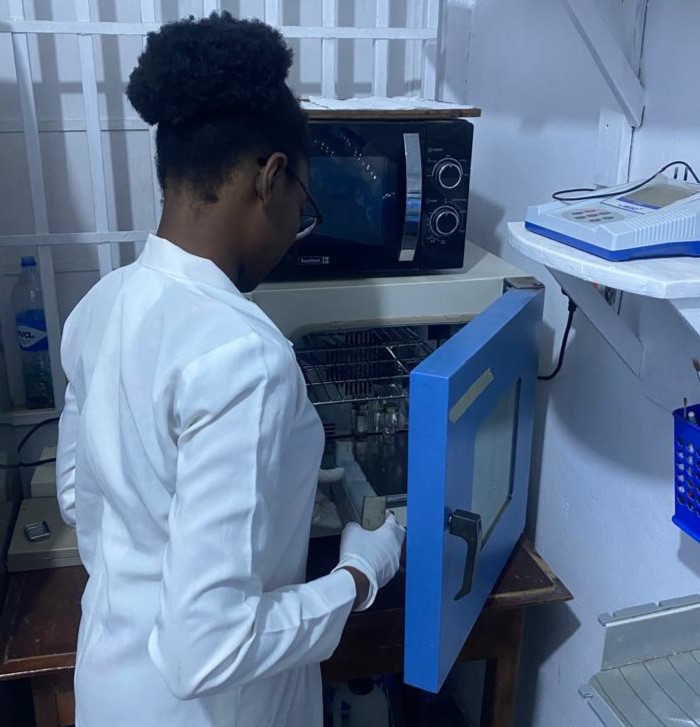
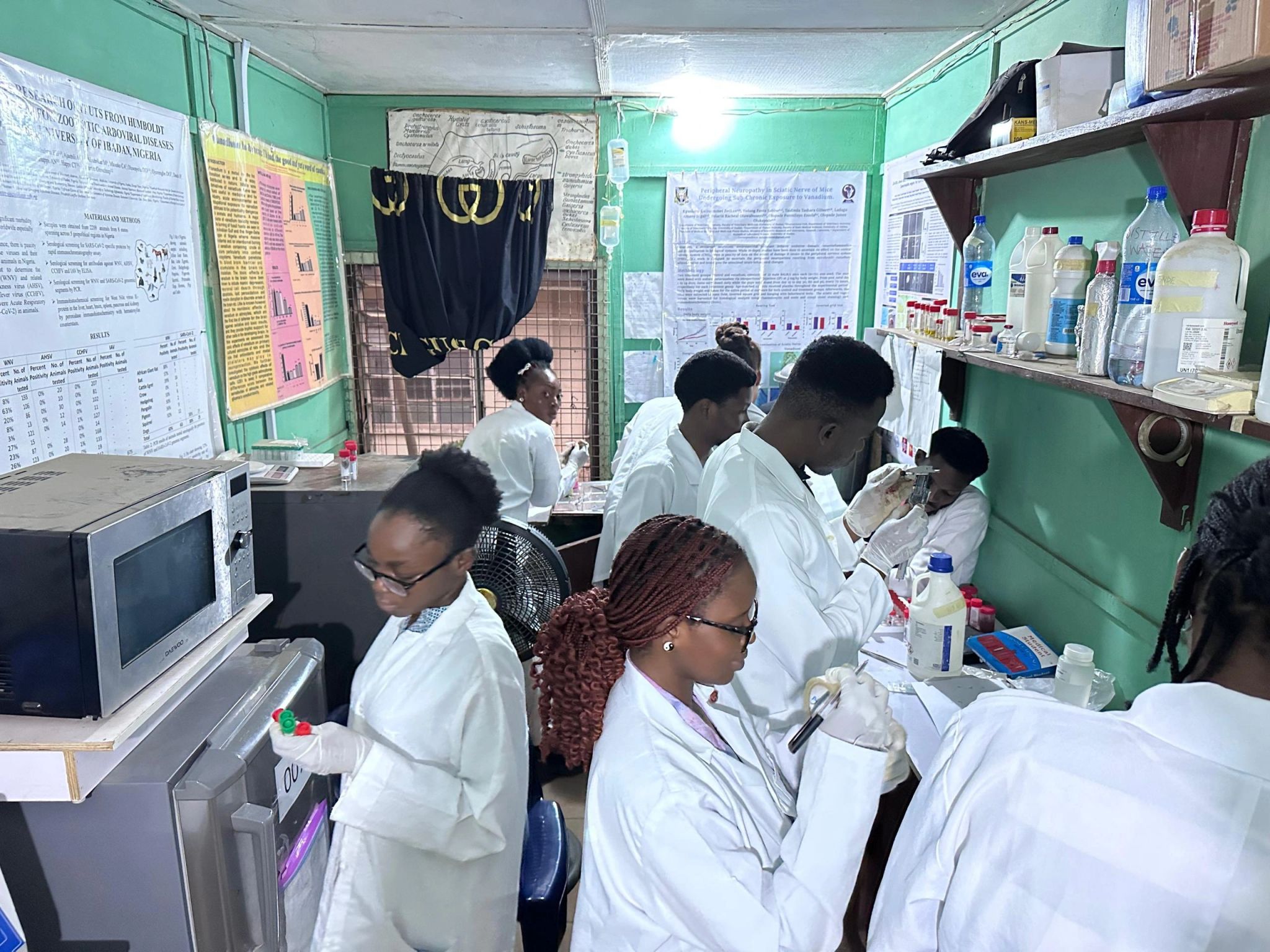
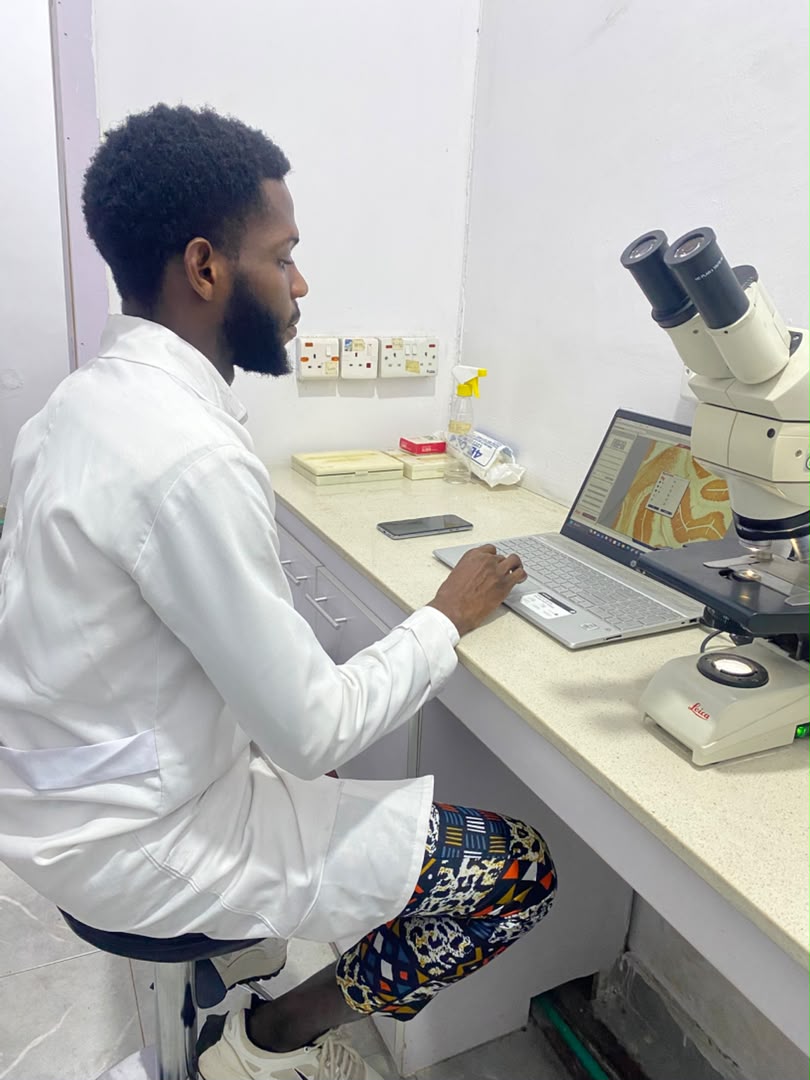
Fixed-tissue sectioning and staining across brain regions and species, used to score neuronal density, demyelination, and markers of oxidative and inflammatory injury.

Behavioural Neuroscience

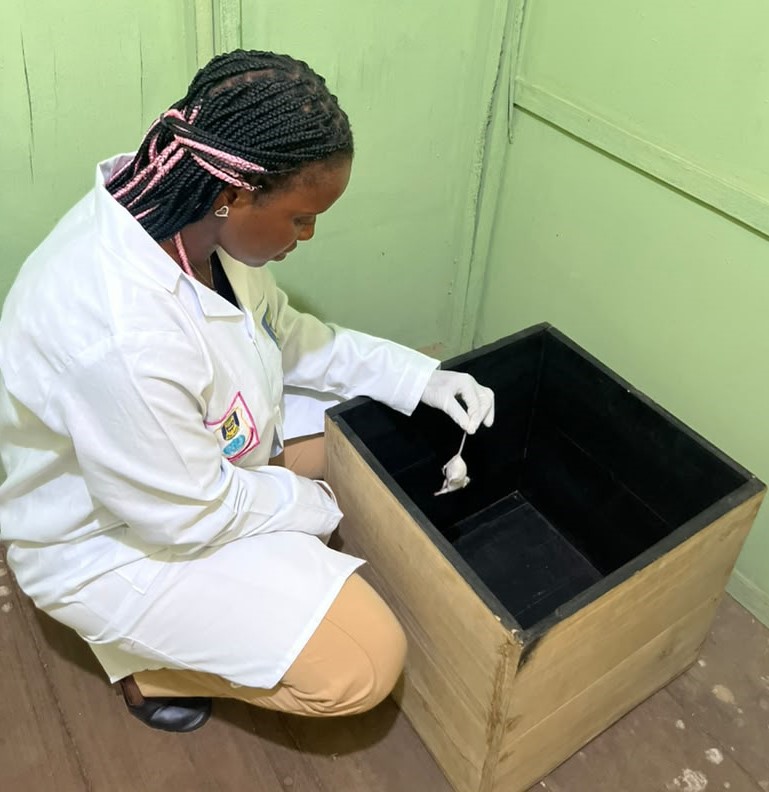
Spatial learning and memory assays (including in juvenile hydrocephalic models) used to link histological damage or protection back to whole-animal function.

Metal & Toxicant Quantification

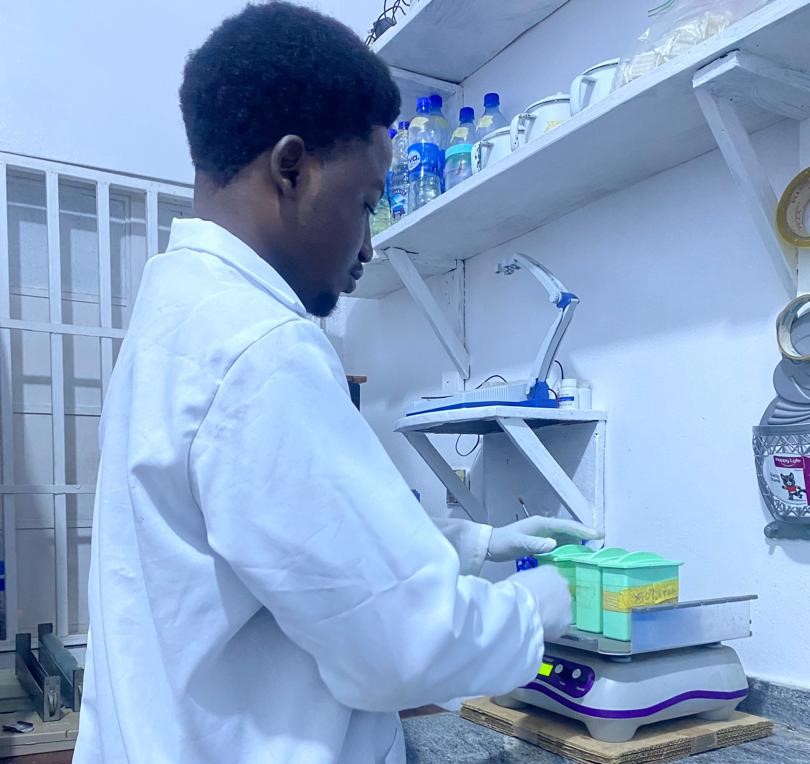
Tissue-level measurement of vanadium and heavy-metal accumulation in brain, liver and kidney, at both low and high dose, to map where a toxicant settles and what it damages on the way.

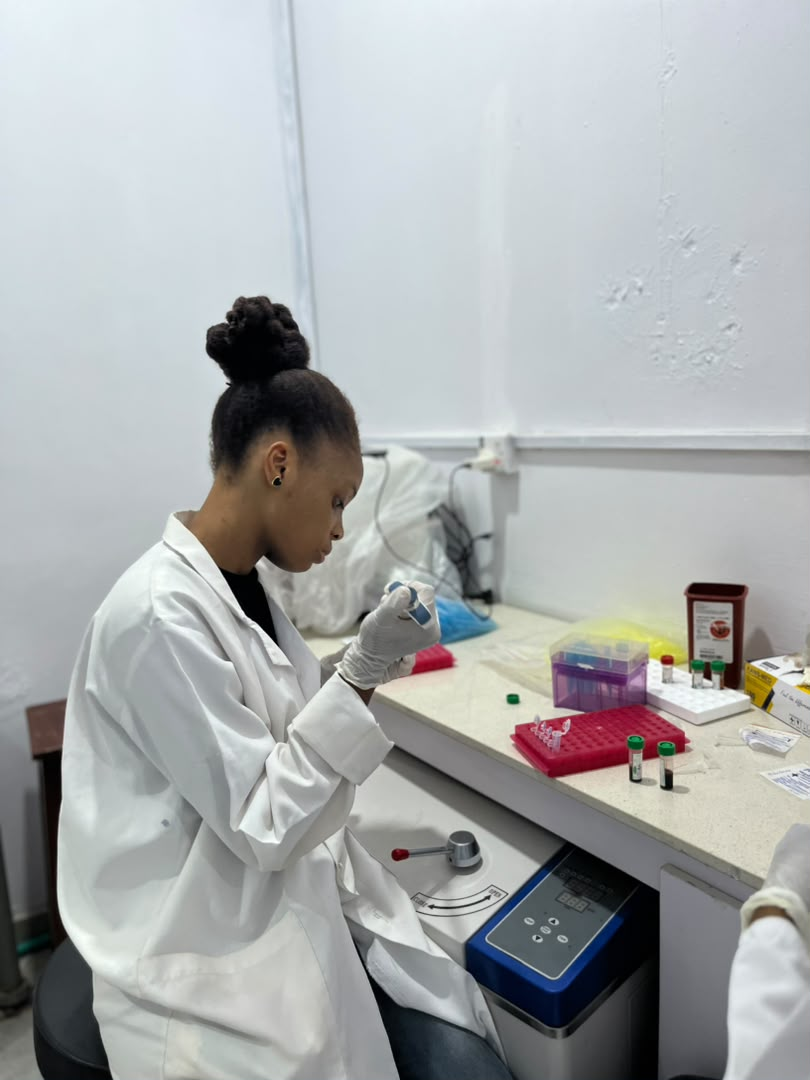
Hormonal & Molecular Assays

Testosterone, LH and FSH profiling alongside Nrf2/HO-1, NF-κB and Bax/Bcl-2/Caspase-3 pathway markers, connecting endocrine outcomes to the molecular route of injury or protection.

Species Studied

Comparative anatomy across nine species and counting.

Each species is chosen for a specific adaptation or a specific vulnerability. A squirrel's visual system tells a different story than a rat's hippocampus; put side by side, they say more than either could alone.

Wistar Rat

Vanadium neurobehavioural, histological and hippocampal-slice studies.

Mouse

Chronic vanadium exposure and protein-aggregation studies; juvenile hydrocephalus and memory.

Gambian Sun Squirrel

Heliosciurus gambianus — ocular and neuroanatomical adaptation to arboreal life.

Thomas's Rope Squirrel

Gross morphometry and histomorphology of brain and testes, alongside the Gambian Sun squirrel.

Cape Squirrel

Comparative craniometric work alongside Nigeria's other tree squirrel species.

African Giant Rat

Comparative and developmental neuroanatomy of an indigenous rodent model.

Bat

Comparative neuroanatomy of an echolocating, nocturnal sensory system.

Owl

Visual-system neuroanatomy in a nocturnal avian predator.